
Do Air Purifiers Actually Help With Odour or Mould in Singapore?
June 13, 2026Why Singapore Homes Struggle With Indoor Air
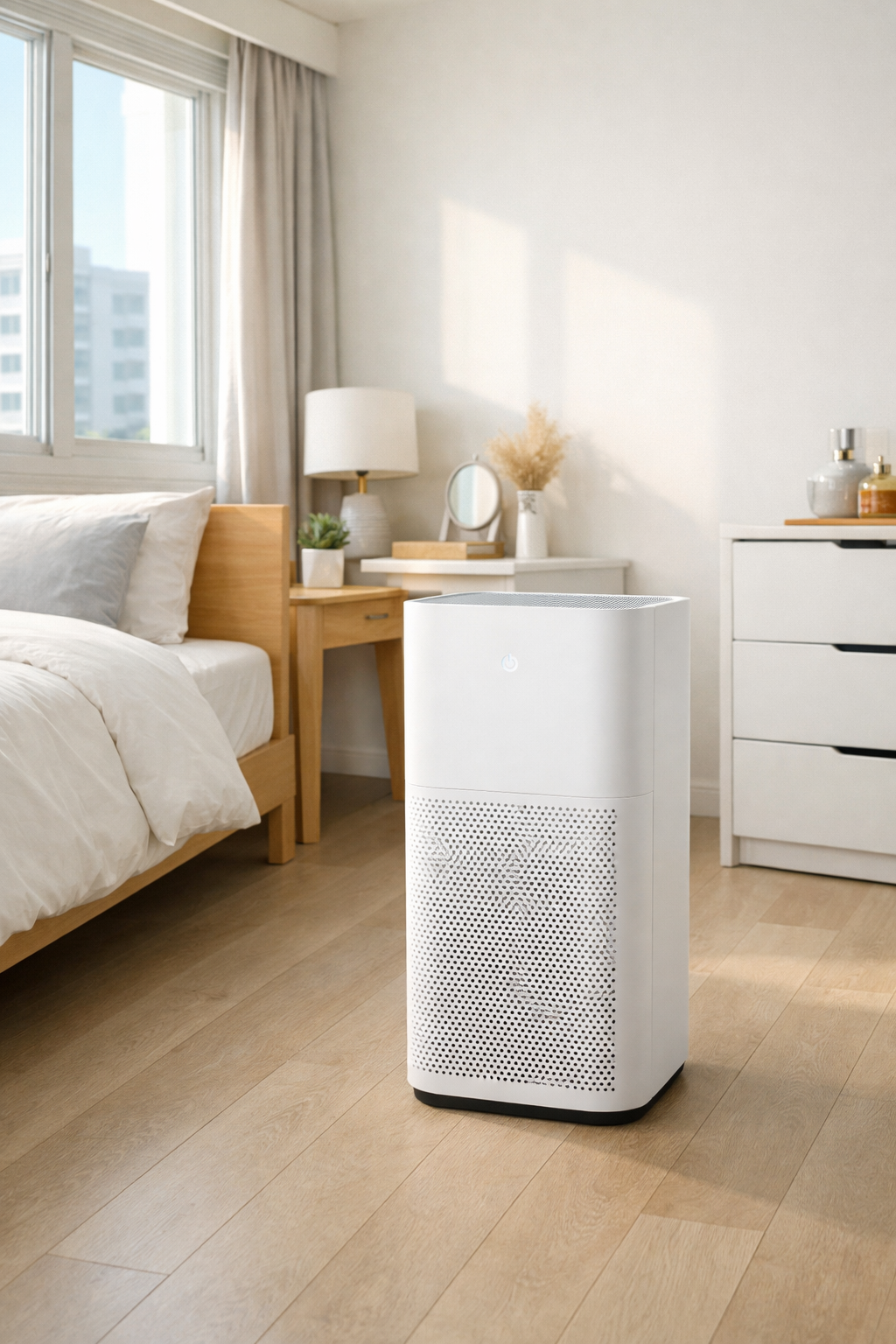
Singapore’s climate is brutal on indoor air quality. Average humidity sits around 84% year-round, with temperatures between 25–32°C. That combination creates two stubborn problems:
- Odours that linger forever — cooking smells, cigarette smoke, pet odours, and musty air get trapped in enclosed HDB rooms and condos with limited cross-ventilation.
- Mould and mildew that keeps coming back — warm, damp air breeds mould on walls, ceilings, bathroom grommets, window frames, behind furniture, and inside wardrobes.
The HDB lifestyle amplifies both issues. Many units have small bedrooms, bathrooms without windows, and sealed living spaces. Cooking smells from the kitchen spread through the entire flat. During monsoon season (November to March), humidity spikes even higher. So — can an air purifier in Singapore actually help? The answer is: it depends on the problem.
Odour: Where Air Purifiers Genuinely Shine
This is the clearest win for air purifiers. But there’s a catch most people miss.
Why HEPA Alone Won’t Remove Odours
Many air purifiers advertise their HEPA filtration — and rightfully so. HEPA filters trap 99.97% of particles as small as 0.3 microns, including dust, pollen, pet dander, PM2.5 from haze, and mould spores. But here’s the thing: odours are gases, not particles. Cooking smells, cigarette smoke, and musty air are caused by volatile organic compounds (VOCs) — gaseous molecules that pass straight through a HEPA filter like it’s not there.
HEPA and Activated Carbon: The Combination You Need
To remove odours, you need activated carbon alongside HEPA. Carbon works through adsorption — gas molecules stick to the massive surface area of the carbon material as air passes through. HEPA and activated carbon together deliver comprehensive air cleaning. This is the filtration technology that actually works for both problems. A proper carbon filter significantly reduces cooking odours (curry, fried fish, chili, garlic), cigarette and vape smoke, pet odours, musty stale air, paint and renovation fumes, and formaldehyde from new furniture.
Realistic Expectations for Singapore Homes
For a typical HDB bedroom (12–15 sqm), a quality air purifier with a carbon filter running on medium fan speed will noticeably reduce background odours within 30–60 minutes. Important: Check the clean air delivery rate (CADR) when you buy air purifiers — match it to your size of the room. Look for high-quality air purifiers with a CADR suited to HDB room sizes. Replace the carbon filter every 3–6 months. Singapore’s high humidity shortens carbon filter lifespan compared to drier climates.
Mould: The Complicated Truth
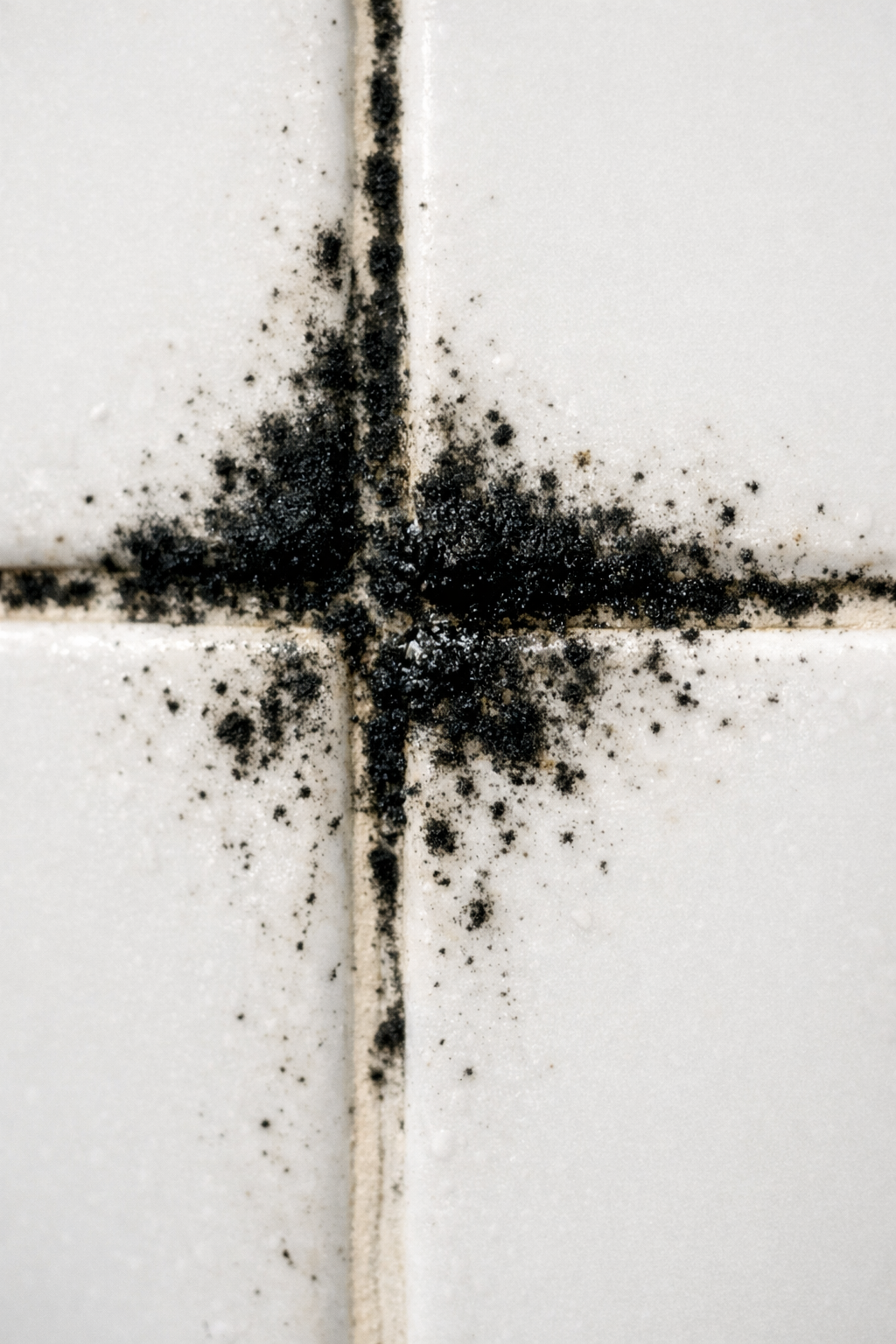
This is where air purifier marketing gets dishonest.
What Air Purifiers CAN Do for Mould
A HEPA air purifier captures airborne mould spores. When mould colonies grow, they release thousands of microscopic spores (2–10 microns) into the air. These spores trigger allergies, asthma, and respiratory irritation, spread to new surfaces, and start new colonies. Running an air purifier in a mould-prone room reduces airborne pollutants including spores, which helps with breathing symptoms. Some models include UV-C light that can kill spores passing through, though the brief exposure time means the kill rate is partial.
What Air Purifiers CANNOT Do for Mould
An air purifier will not kill or remove mould growing on your walls, ceiling, or bathroom tiles. Full stop. Mould on a surface — whether black mould or other types — is a living colony with roots penetrating into the material. You need physical cleaning, fixing the moisture source, and controlling humidity.
Why Mould Keeps Coming Back in Singapore
In Singapore, mould is fundamentally a moisture problem. Persistent 80%+ humidity means surfaces stay damp enough for mould and mildew to thrive. Bathrooms without windows, bedrooms with poor airflow, and north-facing walls of older HDB flats are classic hotspots.
What Actually Works for Mould in Singapore
1. Reduce Humidity (Most Impactful)
- Run your bathroom exhaust fan during and 15 minutes after every shower
- Open windows when outdoor humidity drops (early morning, after rain)
- Consider a dehumidifier for persistently damp rooms
- Don’t dry clothes indoors — each load releases litres of moisture
2. Clean Existing Mould
- Bleach solution (1:4 bleach to water) on hard surfaces
- For porous materials, professional treatment may be needed
- Scrub bathroom grommets and silicone sealant regularly
3. Use an Air Purifier as a Supplement
A true HEPA-13 air purifier helps capture airborne spores and prevent new colonies. Think of it as the third line of defense, not the first.
Choosing the Best Air Purifier for a Singapore Home
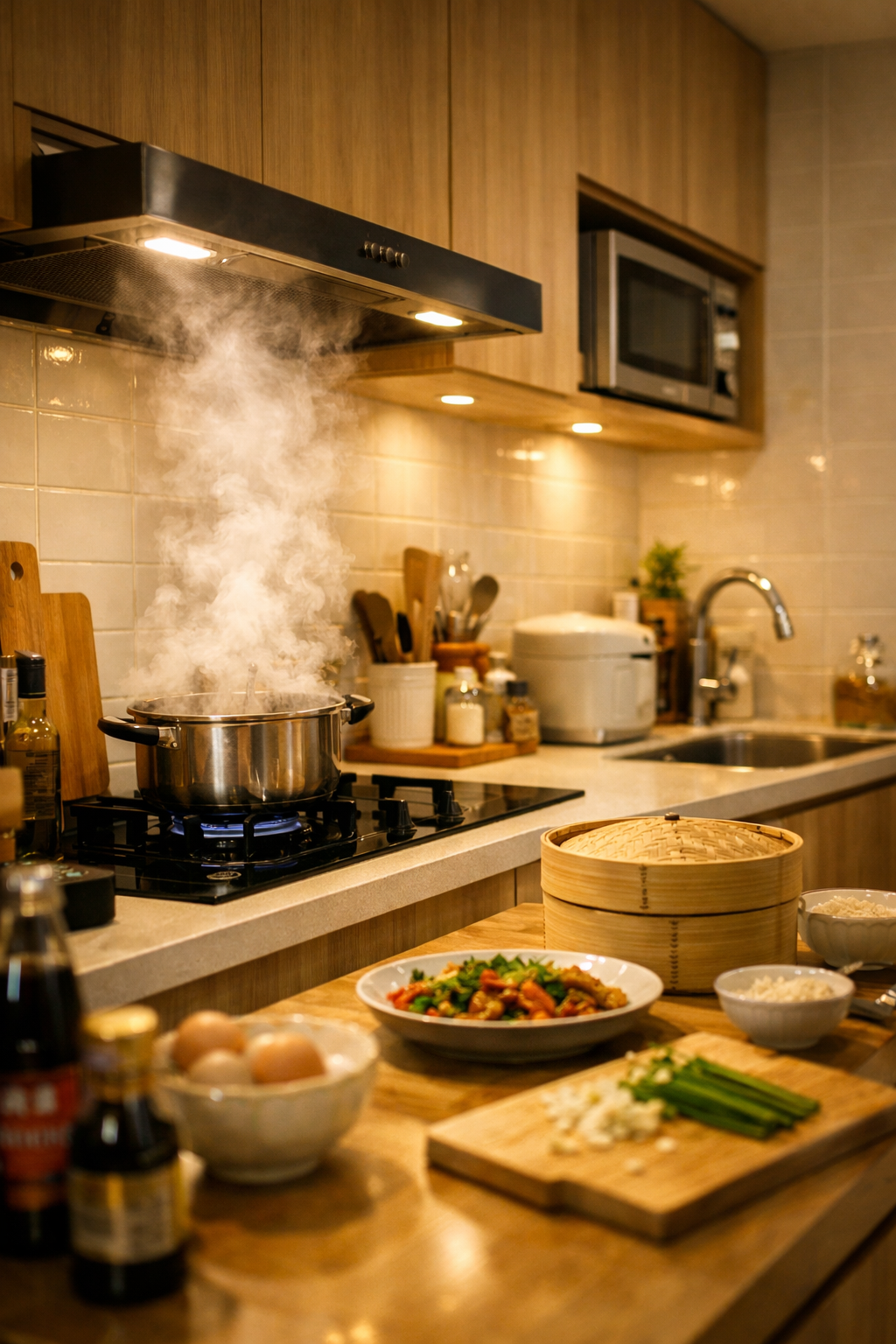
Must-have features:
- True HEPA filter (H13) — captures 99.9% of particles as small as 0.3 microns including mould spores, bacteria and viruses, and dust mites
- Activated carbon filter — proper carbon bed for odour removal
- Correct room size rating — check the clean air delivery rate
- Affordable replacement filters available on Lazada/Shopee
Nice to have:
- Air quality sensor with auto mode — adjusts fan speed based on air quality
- Quiet sleep mode (under 30dB) for bedroom use
- App connectivity to monitor air quality
Available at Harvey Norman, Gain City, Courts, Lazada, and Shopee across entry-level (~$150–300), mid-range (~$300–600), and premium (~$600+) price points.
Frequently Asked Questions
Do air purifiers remove cooking smells? Yes — with an activated carbon filter. A powerful air purifier with carbon will noticeably reduce curry, fried food, and garlic odours within 30–60 minutes. Can air purifiers help with mould? They capture airborne mould spores, which helps reduce spread and respiratory irritation. But they won’t kill mould on walls or ceilings. Should I get an air purifier or dehumidifier first? For mould prevention, a dehumidifier is more impactful. For odour control, an air purifier with carbon filter is the better investment. How do I know which size air purifier to buy? Match the CADR to your room size. For HDB bedrooms (12–15 sqm), look for units rated for 15–20 sqm.
The Honest Verdict
Bottom line for Singapore: Investing in an air purifier is worth it for odour control — genuinely useful with noticeable results. For mould, it’s a helpful supplement but not a solution. Pair with a dehumidifier and proper ventilation for real, lasting results. If you can only buy one thing: get a dehumidifier first if mould is the problem, or an air purifier for your home with carbon filter if odours are the main complaint. Either way, you’ll breathe easier and enjoy cleaner air in your Singapore home.