
DC Motor Dehumidifier: A Comprehensive Guide
July 11, 2026Introduction

Humidity is an essential aspect of our environment, but high levels of moisture can lead to mold growth, musty
odors, and discomfort. Dehumidifiers are designed to remove excess moisture from the air, creating a healthier and
more comfortable living or working space. In this article, we’ll explore the world of DC motor dehumidifiers,
their benefits, and how they work.
What is a DC Motor Dehumidifier?
A DC motor dehumidifier uses a direct current (DC) motor to power its operation. This type of motor provides
several advantages over traditional AC motors, including:
- Energy efficiency: DC motors consume less energy than AC motors, making them an excellent choice for households
and businesses looking to reduce their carbon footprint. - Reduced noise: DC motors produce less noise than AC motors, creating a more peaceful environment.
- Increased durability: DC motors have fewer moving parts than AC motors, reducing the risk of mechanical failure.
How Does a DC Motor Dehumidifier Work?
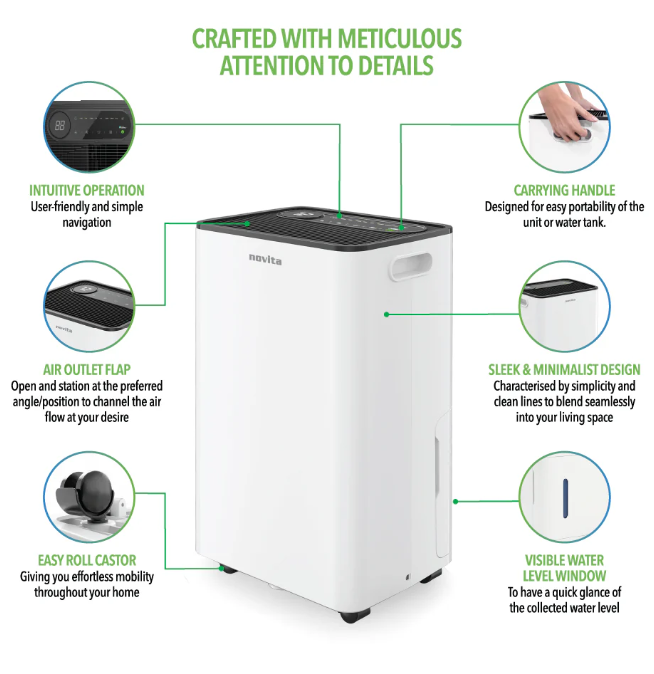
A DC motor dehumidifier works by using a combination of refrigeration and desiccant technology to remove excess
moisture from the air. The process involves:
- Air Intake: Fresh air is drawn into the dehumidifier through an intake vent.
- Cooling Coil: The air passes over a cooling coil, which condenses the water vapor in the air, releasing it
as liquid water. - Desiccant: The dry air then passes through a desiccant material, such as silica gel or activated alumina,
which absorbs any remaining moisture. - Blower: The dry air is then blown back into the environment through an outlet vent.
Benefits of DC Motor Dehumidifiers
- Energy Efficiency: DC motor dehumidifiers consume less energy than traditional AC motors, making them a
cost-effective solution for households and businesses. - Quiet Operation: DC motors produce less noise than AC motors, creating a more peaceful environment.
- Long-Lasting: DC motors have fewer moving parts than AC motors, reducing the risk of mechanical failure.
- Easy Maintenance: DC motor dehumidifiers are designed with easy maintenance in mind, featuring washable
filters and removable desiccant materials.
Types of DC Motor Dehumidifiers
- Compact Dehumidifiers: These small dehumidifiers are perfect for homes, apartments, or offices.
- Large Capacity Dehumidifiers: Designed for commercial use, these dehumidifiers can handle high levels of
moisture in large spaces. - Portable Dehumidifiers: Ideal for temporary use or as a backup system, portable dehumidifiers offer
flexibility and convenience.
Features to Consider
- Moisture Removal Capacity: Look for a dehumidifier that can remove excess moisture from the air
efficiently. - Energy Efficiency: Choose a DC motor dehumidifier with a high Energy Star rating or an EER
(Energy Efficiency Ratio) of 10 or higher. - Noise Level: Consider a dehumidifier with a low noise level, especially if you plan to use it in a living
space. - Filter Maintenance: Opt for a dehumidifier with washable filters and easy-to-clean design.
Conclusion
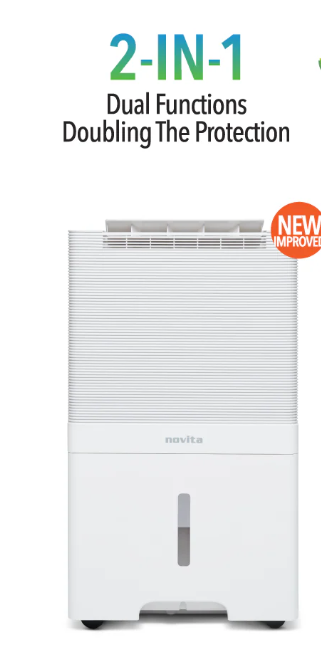
DC motor dehumidifiers offer a reliable, energy-efficient solution for removing excess moisture from the air. With
their quiet operation, long-lasting design, and easy maintenance features, it’s no wonder why they’re becoming
increasingly popular in households and businesses around the world. By understanding the benefits and types of DC
motor dehumidifiers, you can make an informed decision about which model is best for your needs.
FAQs
Q: What is the difference between a DC motor dehumidifier and an AC motor dehumidifier?
A: A DC motor dehumidifier uses direct current (DC) to power its operation, while an AC motor dehumidifier uses
alternating current (AC).
Q: How do I choose the right size of dehumidifier for my needs?
A: Consider the square footage of your space and the level of humidity you want to control.
Q: Can a DC motor dehumidifier be used in a basement or crawl space?
A: Yes, but make sure it’s designed for use in humid environments and follow the manufacturer’s instructions.
Resources
- American Society of Heating, Refrigerating and Air-Conditioning Engineers (ASHRAE): A guide to selecting and
specifying dehumidifiers. - Energy Star: A list of energy-efficient dehumidifiers certified by Energy Star.
- Dehumidifier manufacturers’ websites: For product information and installation guides.
Note: This article is for informational purposes only and should not be considered as a substitute for
professional advice. It’s recommended to consult with a qualified expert or manufacturer’s representative before
making a purchase.